
Category: Main
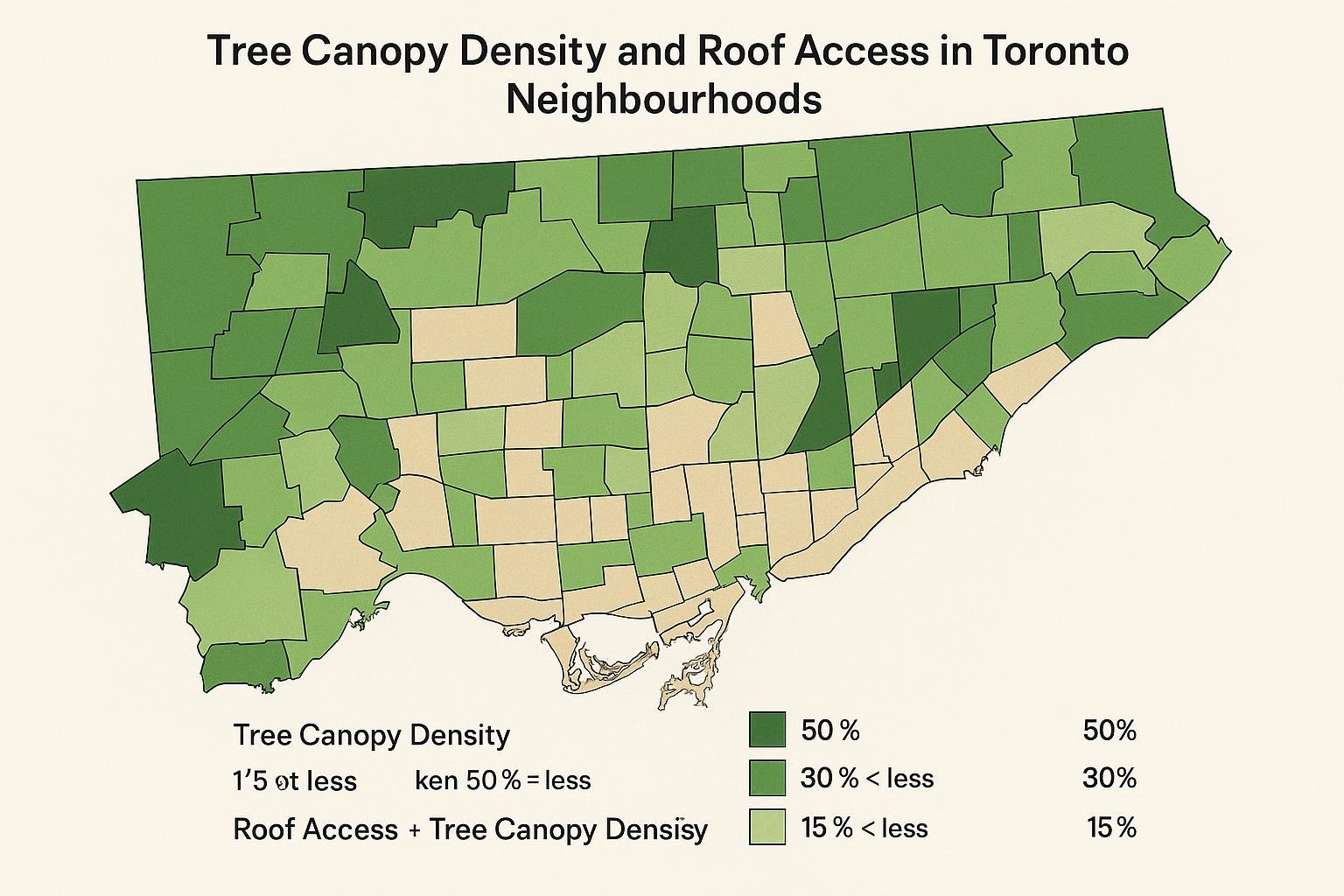
Tree Canopy Density and Roof Access in Toronto Neighbourhoods
Toronto is a large city with diverse neighbourhoods. Its urban spaces include varying levels of tree canopy density and different types of roof structures. These elements affect environmental conditions and the presence of wildlife in residential areas. Understanding …
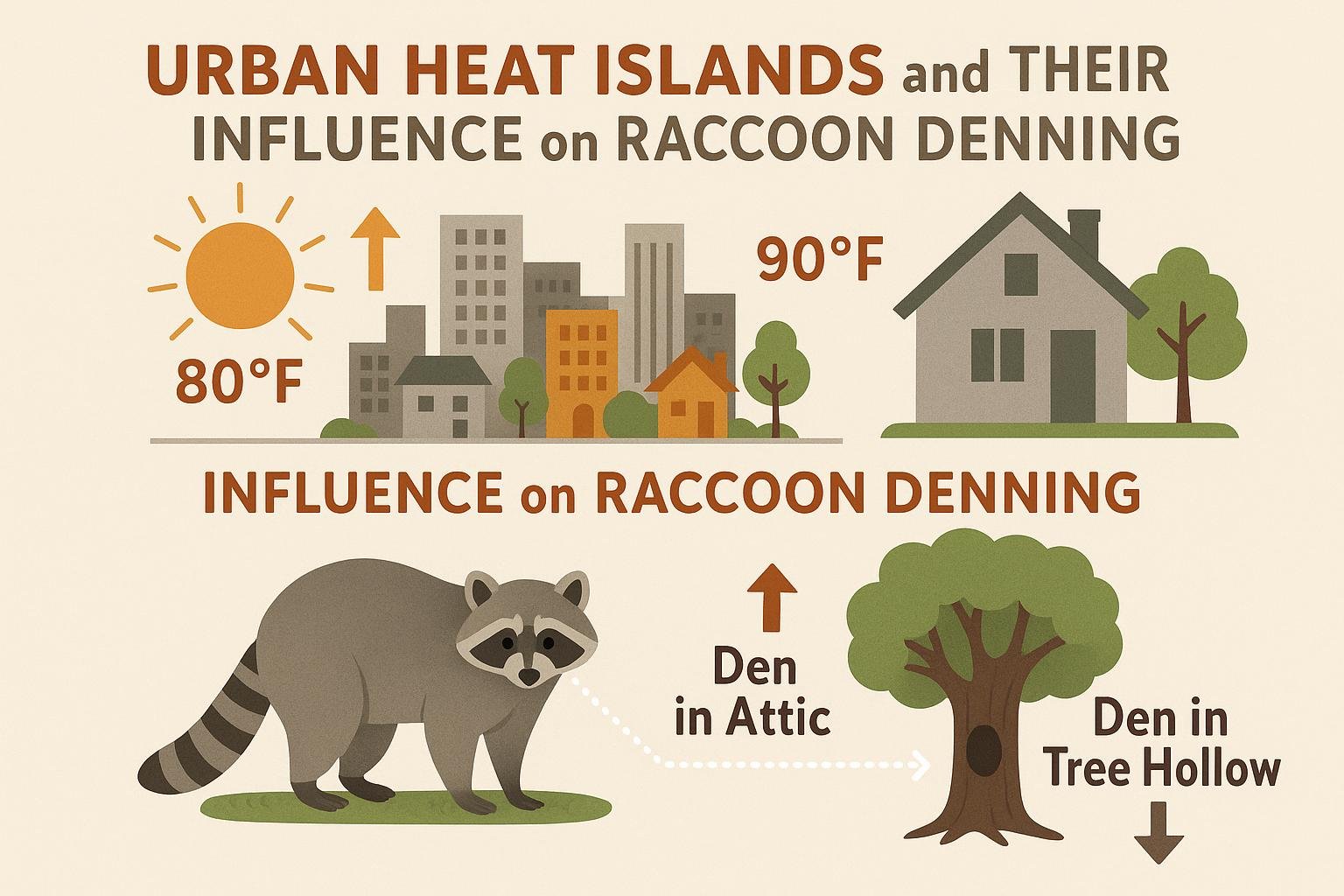
Urban Heat Islands and Their Influence on Raccoon Denning
Introduction to Urban Heat Islands Urban heat islands (UHIs) occur when built environments such as cities become significantly warmer than nearby rural areas. This warmth results from human activities, dense infrastructure, and limited vegetation. Surfaces like asphalt, concrete, …
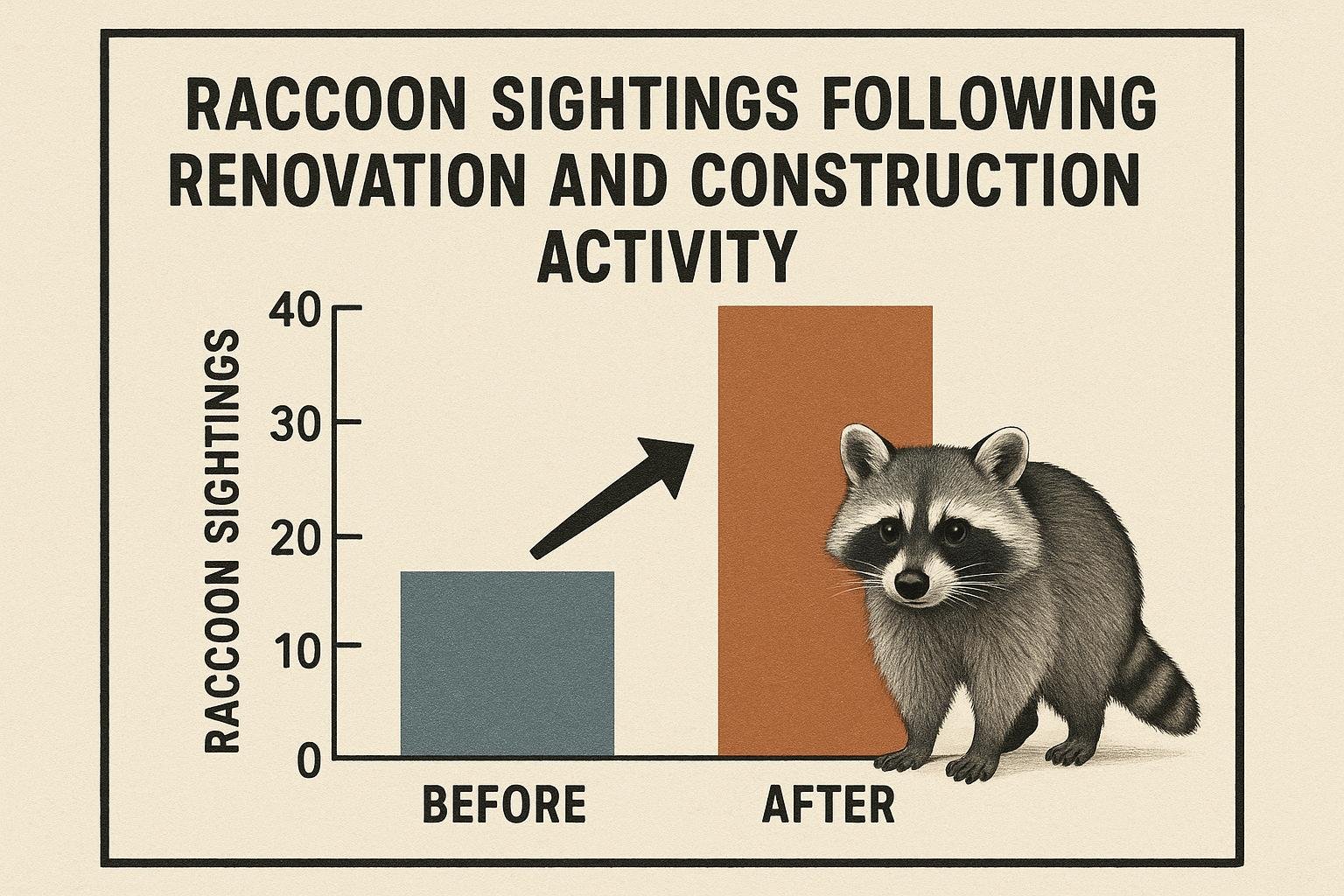
Raccoon Sightings Following Renovation and Construction Activity
Raccoon sightings often increase after renovation or construction work takes place in a neighborhood. Many residents in cities like Toronto, Ottawa, and other parts of Ontario notice more raccoons around their properties after nearby work disturbs the environment. …

Daytime Invisibility and Nocturnal Adaptation in City Raccoons
City raccoons exhibit distinct behaviors shaped by their urban environments. Two key survival traits often observed in these animals are daytime invisibility and nocturnal adaptation. These patterns arise from interactions between raccoon biology, city infrastructure, human activity, and …
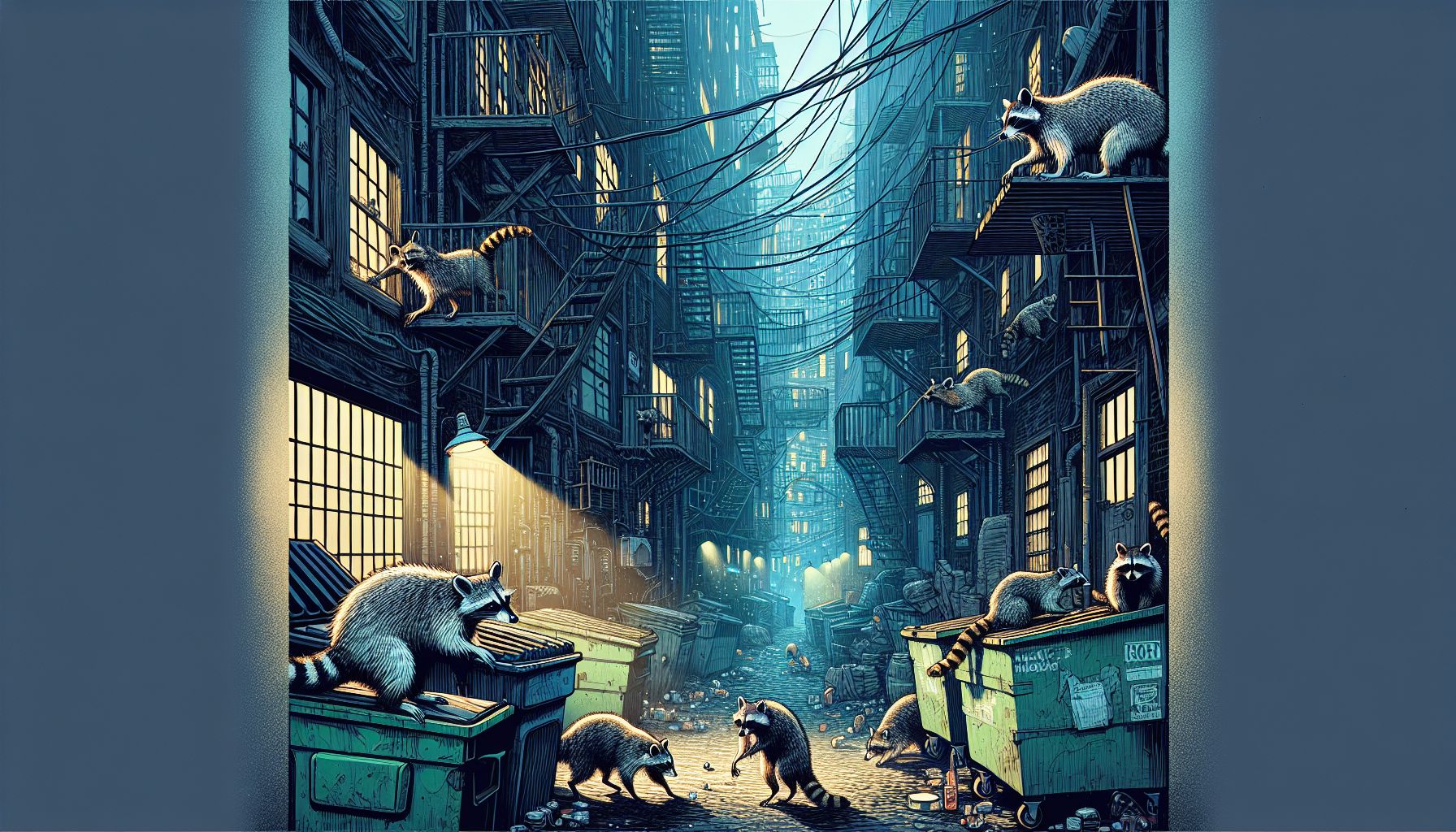
The Role of Laneways and Alleys in Raccoon Travel
Introduction Raccoon travel in urban settings is a common occurrence that presents itself within cities or regions. In these settings, raccoons make use of certain routes for their movement. In many cases, they use laneways and alleys as …
Rooflines, Soffits, and Fascia as Common Urban Access Points
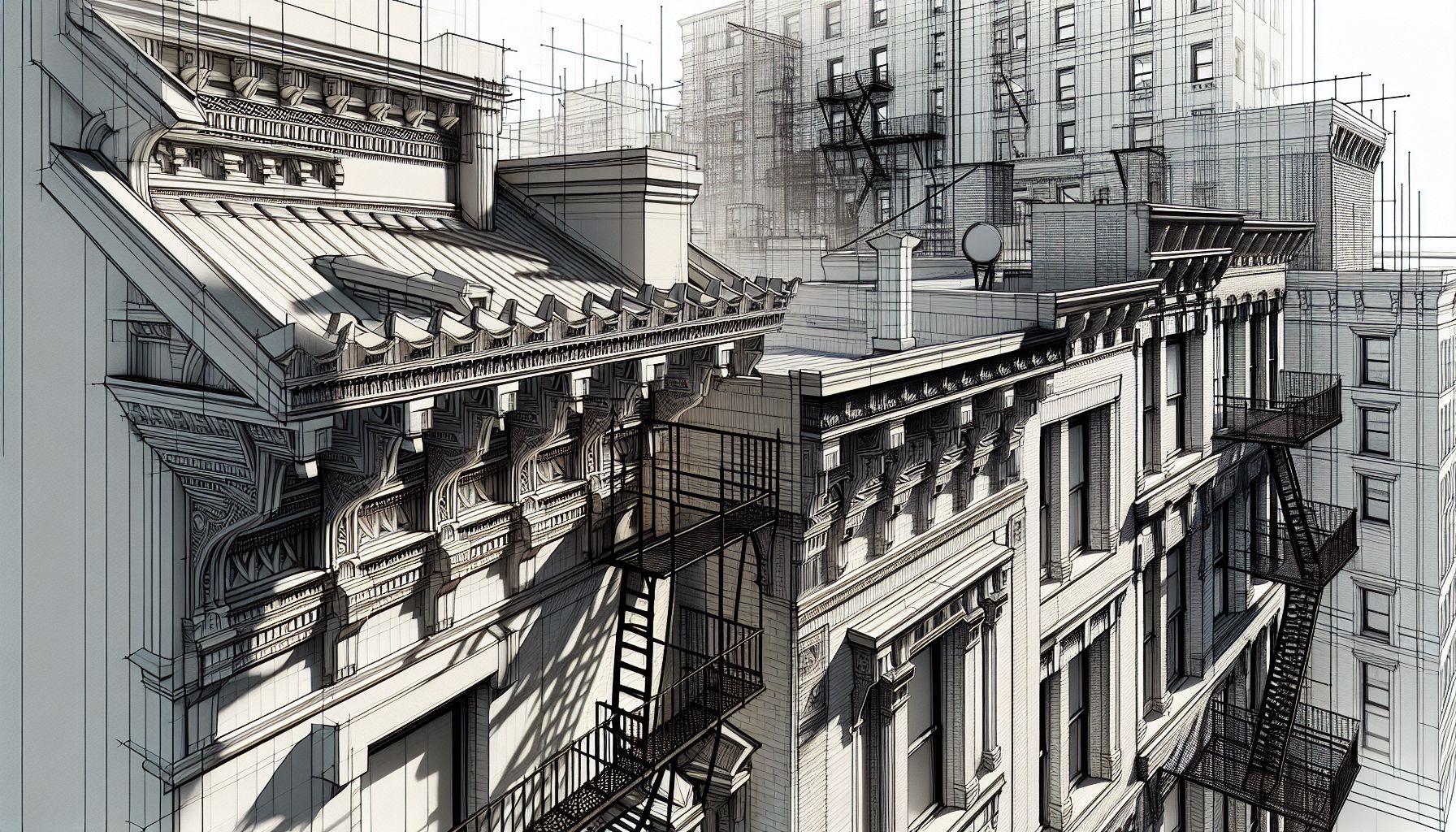
One common issue that homeowners in urban environments often face is the intrusion of pests or wildlife. Structurally, the characteristics of a house — including rooflines, soffits, and fascia — often serve as entry points for these unwanted …
Late-Winter Increases in Urban Raccoon Activity
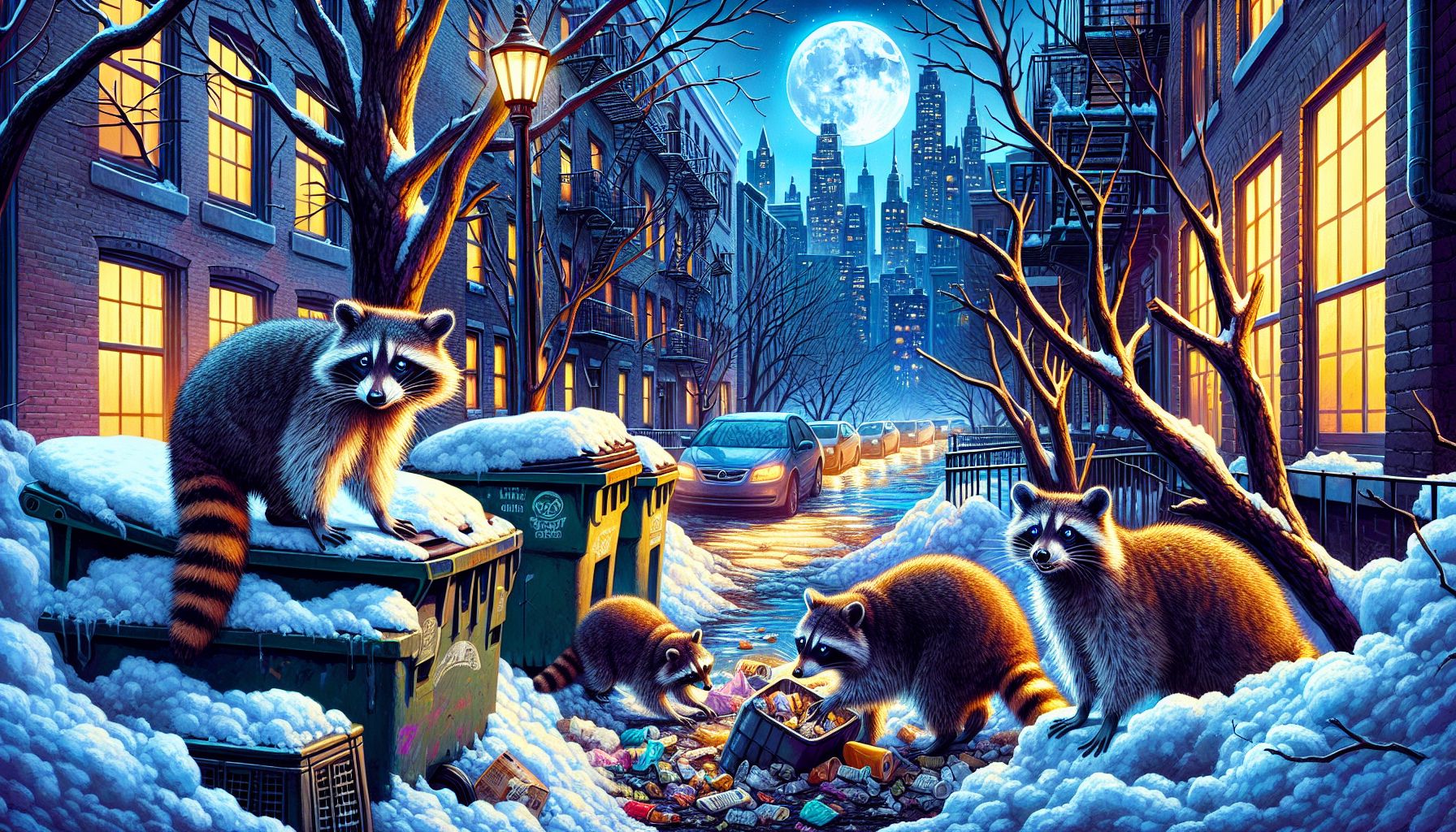
Raccoons, these nocturnal creatures, are ubiquitous in urban areas. As winter draws to an end, their activity increases significantly. This pattern is consistent across many cities and regions. There are several reasons underlying this late-winter surge in raccoon …
Raccoon Behaviour in Post-War Toronto Housing Stock
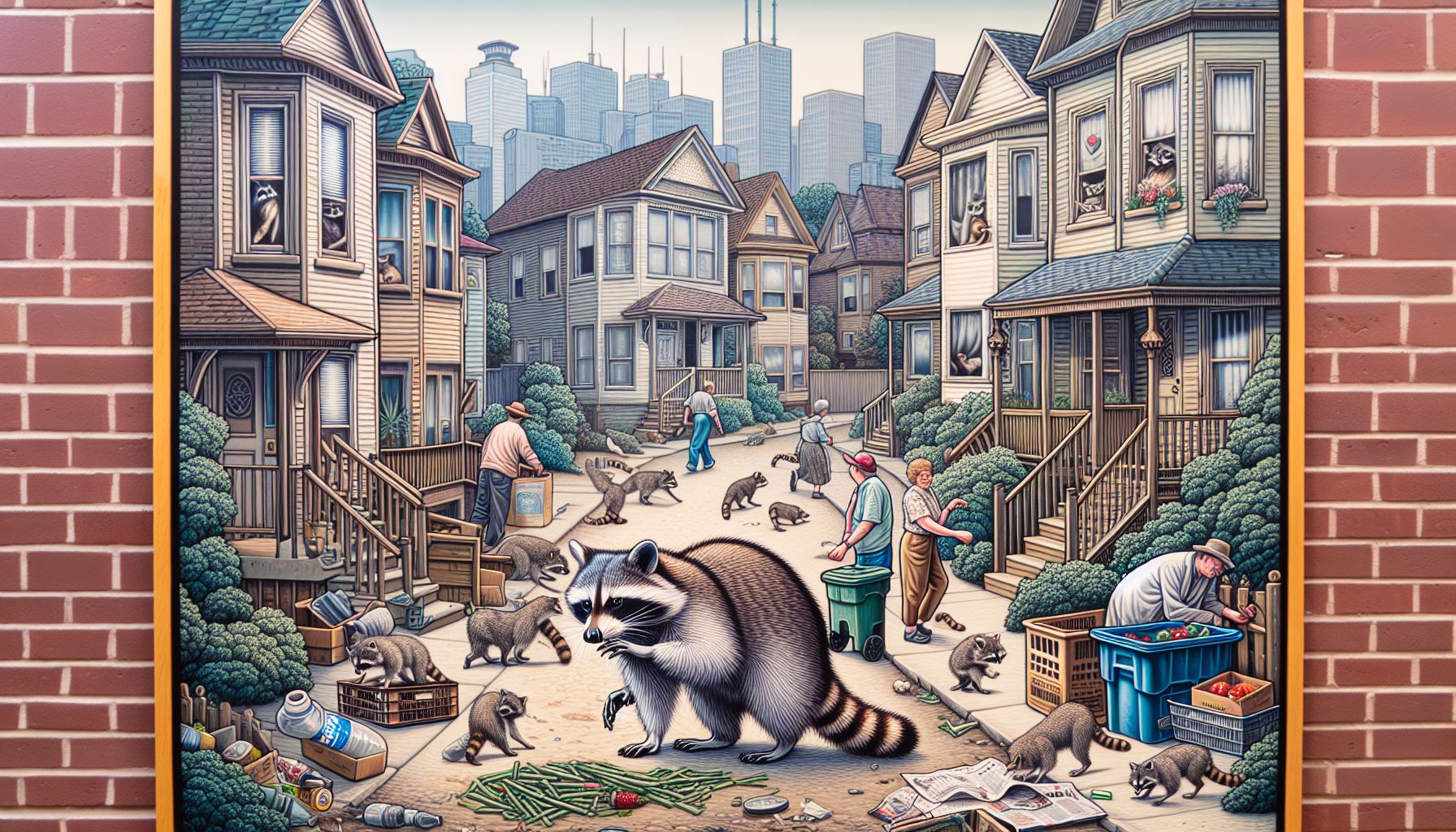
Wildlife often intermingles with urban landscapes, and one of the notable creatures in the cityscape of Toronto is the raccoon. In particular, this article will focus on how these small mammals behave in the unique environment of post-war …
Attics as Den Sites in Dense Urban Environments
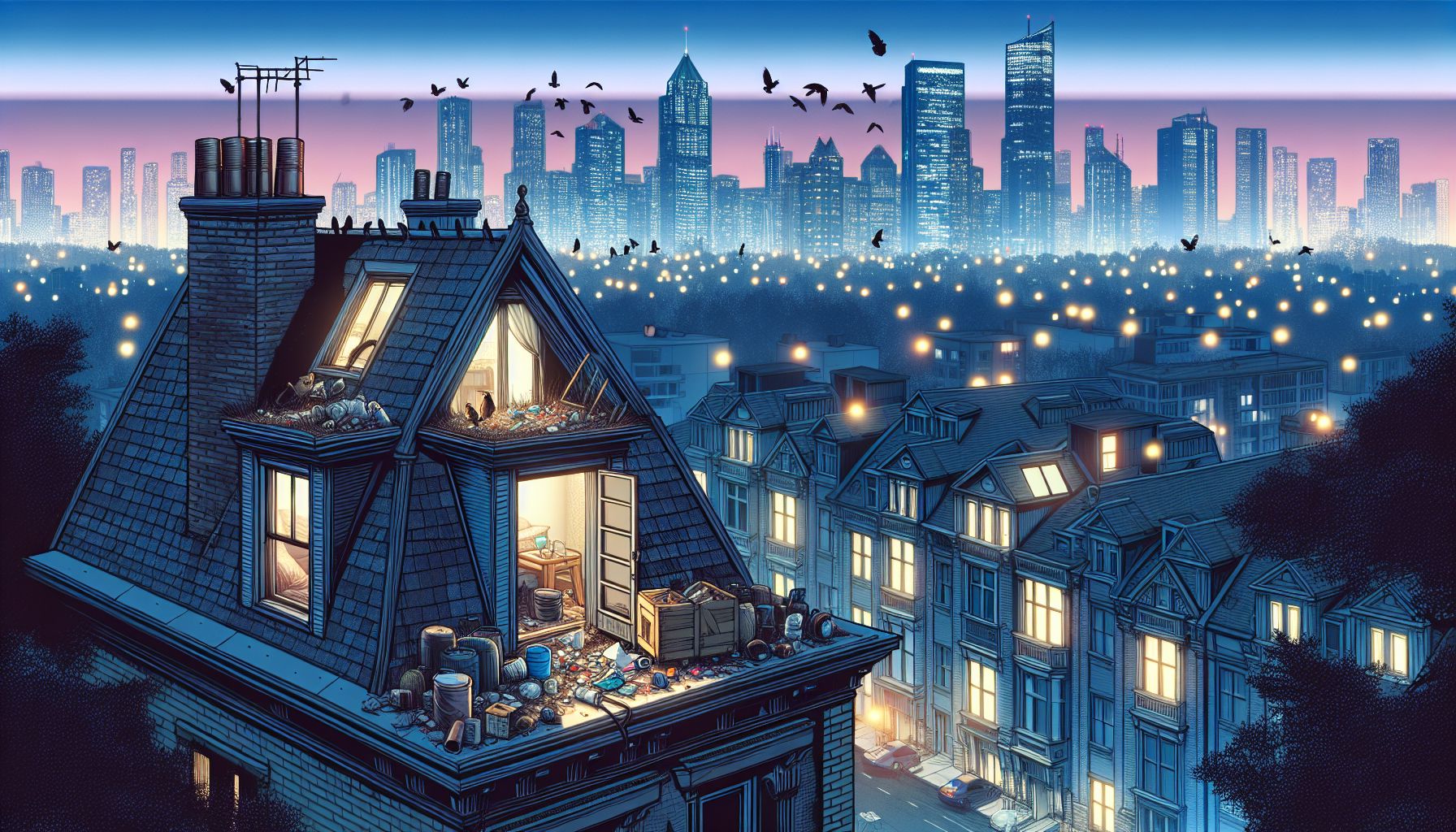
Pest and Wildlife Behavior in Urban Spaces In most dense urban environments, many forms of wildlife seek shelter in places that mimic their natural habitats. In many cases, these animals discover attics as suitable den sites, as attics …
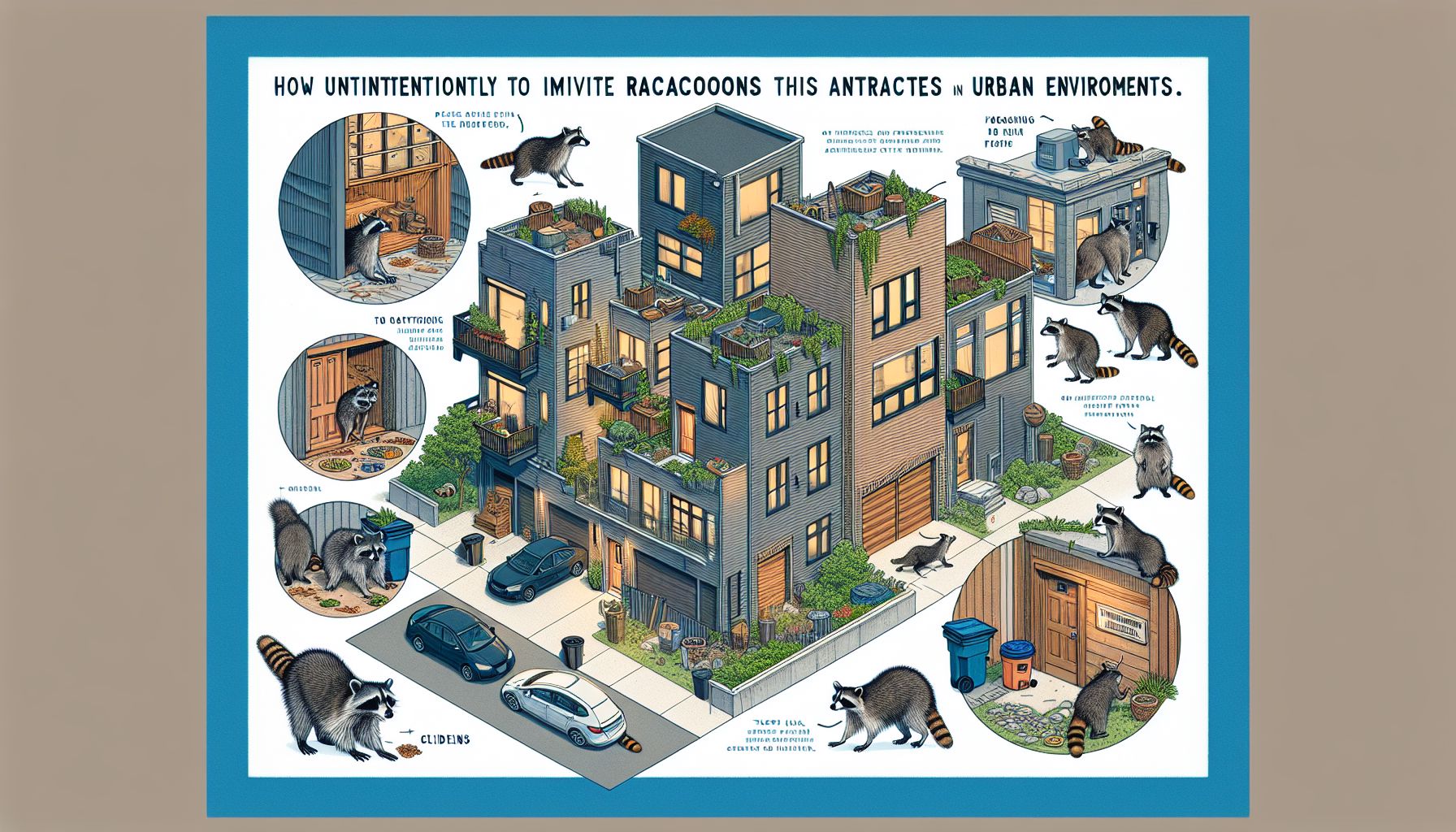
Housing Design Features That Attract Raccoons in the City
Cities often have housing design features that draw raccoons. In city landscapes, these clever creatures find food sources, hiding spots, and safe places to rear their young. This article examines characteristics of houses in the city that often …